Get Chimney Inspection Service
Chimney inspection services help property owners identify and address issues like blockages, creosote buildup, and structural damage through comprehensive evaluations by local contractors.
If you're a property owner considering the safety and efficiency of your chimney system, you're in the right place. Regular chimney inspections are an important part of maintaining a safe and functional fireplace or heating system, helping to identify potential issues before they become costly problems. Local contractors specializing in chimney services can provide thorough assessments, ensuring your home remains secure and your system operates smoothly.
Exploring options for chimney inspection services can also support planning future projects or upgrades. Comparing local providers allows you to find experienced service providers who understand the specific needs of properties in the area. Keep reading to learn more about how these professionals can assist with your chimney maintenance and help you make informed decisions for your property.
- Chimney Inspection - needed when homeowners notice smoke backing up or suspect blockages in their chimney.
- Annual Chimney Inspection - recommended for those who want regular assessments to ensure safe and efficient fireplace use.
- Pre-Season Chimney Check - essential before the start of the heating season to identify potential issues.
- Post-Repair Inspection - necessary after chimney repairs to confirm proper installation and safety.
- Troubleshooting Chimney Problems - useful when experiencing drafts, odors, or unusual smoke patterns during fireplace use.
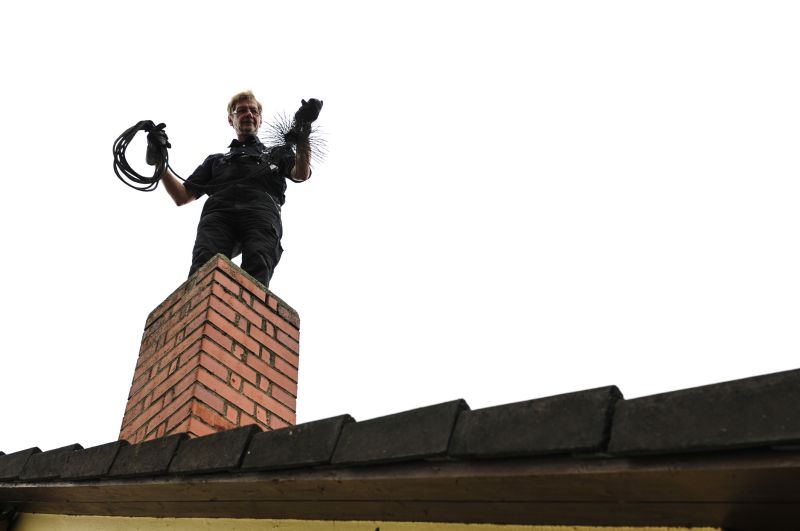
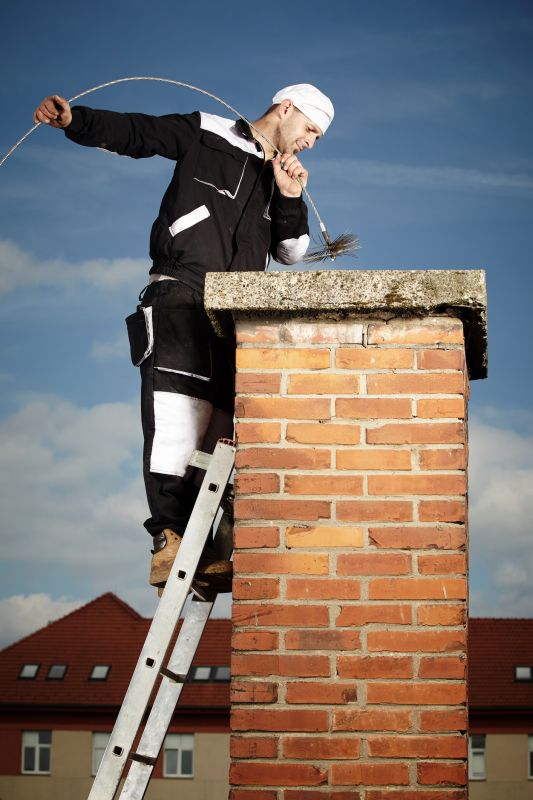
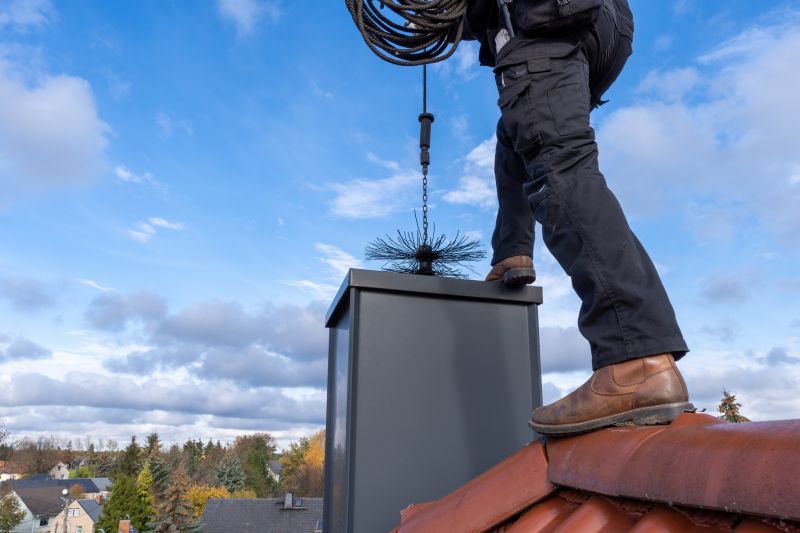
Chimney inspection services involve a thorough examination of a chimney’s interior and exterior components to ensure they are functioning properly and safely. During an inspection, service providers typically check for structural issues, blockages, creosote buildup, and signs of damage or deterioration. This process helps identify potential problems before they develop into more serious issues, ensuring that the chimney operates efficiently and reduces the risk of hazards such as fires or carbon monoxide leaks. Regular inspections are an important part of maintaining a safe and effective heating system, especially for homes that rely on fireplaces, wood stoves, or other chimney-connected appliances.
One of the primary reasons homeowners seek chimney inspections is to address common problems that can compromise safety and performance. These issues include buildup of creosote, which is a flammable residue that can cause chimney fires if not removed regularly. Cracks, rust, or deterioration in the chimney structure can lead to leaks or collapse, while blockages caused by debris, nests, or animals can prevent proper venting. Detecting and resolving these problems early can prevent costly repairs and reduce the risk of dangerous situations. Service providers can also advise on necessary repairs or cleaning to keep the chimney in optimal condition.
Chimney inspection services are suitable for a variety of properties, including single-family homes, multi-unit buildings, and historic residences. Homes with fireplaces, wood-burning stoves, or pellet appliances benefit from regular inspections to ensure safe operation and compliance with local safety standards. Additionally, properties that have experienced recent storms, structural shifts, or have not been inspected for some time should consider scheduling an inspection. Commercial properties or buildings with multiple chimneys may also require periodic assessments to maintain safety standards and prevent potential hazards associated with aging or damaged chimneys.
Homeowners should consider a chimney inspection if they notice signs such as smoke backing up into the home, a strong odor emanating from the chimney, or visible damage like cracks or rust. Inspections are also recommended before the start of the heating season or after any chimney-related repairs or renovations. Regular inspections help maintain the longevity of chimney systems, improve energy efficiency, and provide peace of mind by ensuring that the chimney is safe and ready for use. Connecting with local service providers can provide the expertise needed to keep a home’s chimney system in top condition.
The overview below groups typical Chimney Inspection Service projects into broad ranges so you can see how smaller, mid-sized, and larger jobs often compare in your area.
In many markets, a large share of routine jobs stays in the lower and middle ranges, while only a smaller percentage of projects moves into the highest bands when the work is more complex or site conditions are harder than average.
Smaller Repairs - Basic chimney inspections typically cost between $100 and $300, covering visual checks for common issues. Many routine inspections fall within this range, especially for straightforward jobs. Prices can vary based on chimney size and accessibility.
Moderate Maintenance - More comprehensive inspections or minor repairs usually range from $300 to $600. These projects often involve detailed assessments and minor fixes, with fewer jobs reaching the higher end of this band.
Extensive Repairs - Larger or more complex repairs, such as liner replacements or extensive cleaning, generally cost between $600 and $1,500. Many projects in this range are typical, though some can go higher depending on the scope.
Full Chimney Replacement - Complete replacement or major rebuilds can exceed $3,000, with larger projects potentially reaching $5,000 or more. These are less common and usually reserved for significant structural issues or outdated systems.
Actual totals will depend on details like access to the work area, the scope of the project, and the materials selected, so use these as general starting points rather than exact figures.
Chimney Sweeping - Professionals who perform chimney sweeping often use similar inspection tools and techniques to identify blockages and buildup inside chimneys.
Fireplace Repair - Fireplace repair specialists need to assess the condition of chimneys and flues, requiring skills in inspection and understanding of venting systems.
Ventilation System Inspection - Inspectors of ventilation systems utilize comparable planning and diagnostic skills to evaluate airflow and detect obstructions.
Flue Cleaning Services - Flue cleaning contractors use specialized tools to clear soot and debris, a process closely related to chimney inspection procedures.
Gas Fireplace Services - Technicians servicing gas fireplaces often perform inspections of venting and exhaust pathways similar to chimney assessments.
Roofing and Attic Inspection - Roofers and attic inspectors examine venting and structural elements that impact chimney safety and functionality.
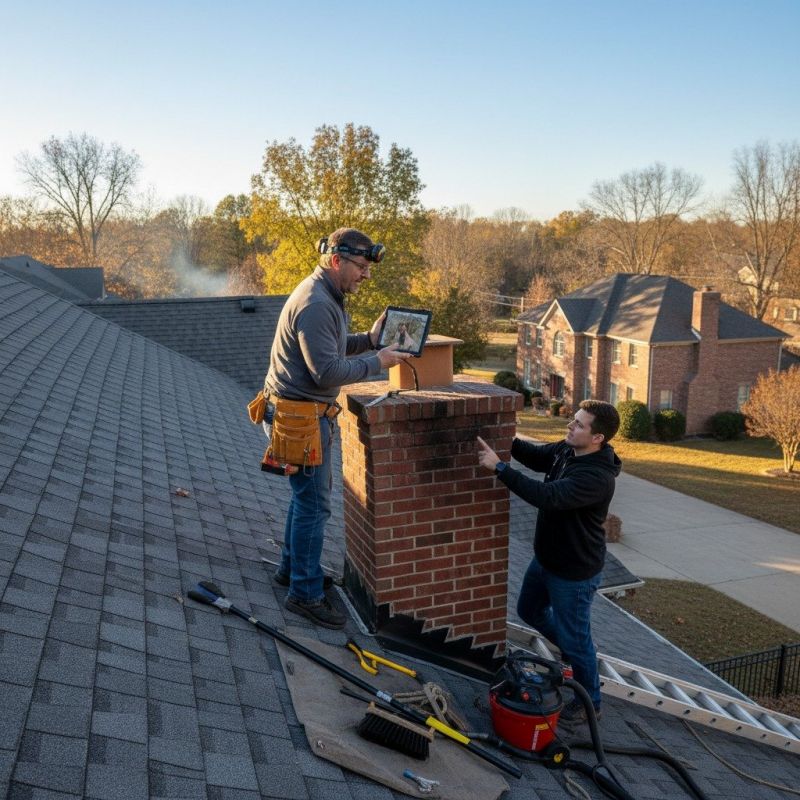
When comparing service providers for chimney inspection services, it’s important to evaluate their experience with similar projects. Homeowners should look for local contractors who have a proven track record of performing inspections on properties like their own. An experienced professional will be familiar with common issues, inspection procedures, and best practices, helping to ensure a thorough and accurate assessment. Asking about the types of properties they have worked on can provide insight into their familiarity with specific chimney systems and potential concerns unique to the home’s age or design.
Clear, written expectations are essential when choosing a chimney inspection service. Homeowners should seek out providers who can outline what the inspection will include and what the client can expect to receive in terms of findings and recommendations. This helps prevent misunderstandings and ensures that both parties are aligned on the scope of work. Reputable local contractors are often willing to provide detailed descriptions or checklists of their inspection process, giving homeowners confidence that the service will be comprehensive and transparent.
Reputation and communication are key factors in selecting a reliable service provider. Homeowners should look for local pros who can provide reputable references or reviews from previous clients, demonstrating consistent quality and professionalism. Good communication-whether through prompt responses, clarity in explanations, or willingness to answer questions-also indicates a contractor’s commitment to customer service. While the site introduces homeowners to local options, it’s important to verify these qualities directly with potential service providers to find a trusted partner capable of handling the inspection thoroughly and professionally.
Property owners use Chimney Inspection Service services for practical projects around their homes and businesses. This guide focuses on everyday jobs and straightforward project options.
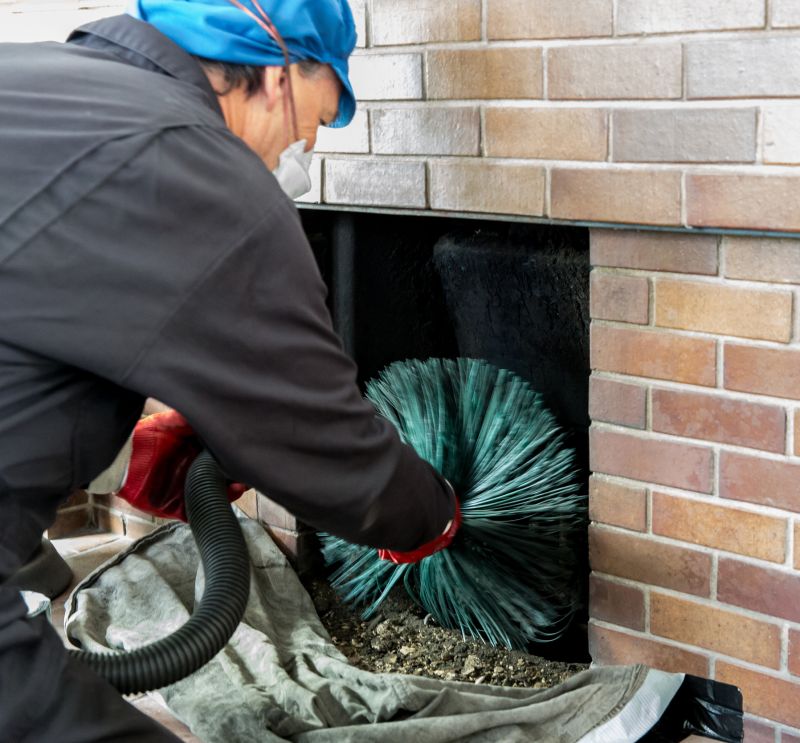
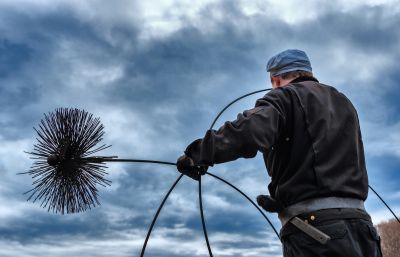
Chimney inspection services are often needed when property owners notice signs of deterioration or want to ensure their chimney is in safe condition. Common situations include preparing for the winter season, addressing concerns about creosote buildup, or checking for damage after a storm or other weather event. Regular inspections can help identify issues early, preventing potential fire hazards or structural problems that might arise over time.
Homeowners may also seek chimney inspection services when buying or selling a property, as part of routine maintenance, or after experiencing a blockage or unusual odors. Local contractors who specialize in chimney inspections can provide thorough assessments to confirm that the system is functioning properly and that there are no hidden issues. Contacting experienced service providers ensures that property owners receive the necessary inspections to maintain a safe and efficient chimney system.
What is involved in a chimney inspection? A chimney inspection typically includes checking the flue, chimney structure, and venting components to identify any damage or obstructions that could affect safety and performance.
How often should a chimney be inspected? It is recommended to have a chimney inspected at least once a year to ensure it remains in good condition and safe to use.
What are signs that a chimney needs an inspection? Signs include soot or creosote buildup, smoke backup, unusual odors, or visible damage to the chimney structure.
What types of chimney inspections are available? There are generally three levels: visual exterior inspection, interior inspection with a camera, and a more detailed assessment that includes cleaning if necessary.
How can local contractors help with chimney inspections? Local service providers can perform thorough inspections, identify potential issues, and recommend necessary repairs or maintenance for safe operation.
Identify potential chimney issues early - Regular inspections can help property owners spot problems like blockages or damage before they become costly repairs.
Ensure safe operation of fireplaces and stoves - A thorough chimney inspection helps verify that flues and vents are clear and functioning properly for safe use.
Maintain home value and curb appeal - Keeping chimneys in good condition through inspections can help preserve the property's appearance and market value.
Prepare for seasonal fireplace use - Inspections before the colder months ensure chimneys are ready for safe and efficient heating during winter.
If you are thinking about Chimney Inspection Service for a property, this guide is meant to help you understand the work, the typical project types, and how different options might fit your plans.
When you are ready, you can use the quote form on this page to share a few details about your project. From there, local pros can review the basics and respond with options that match what you have in mind.